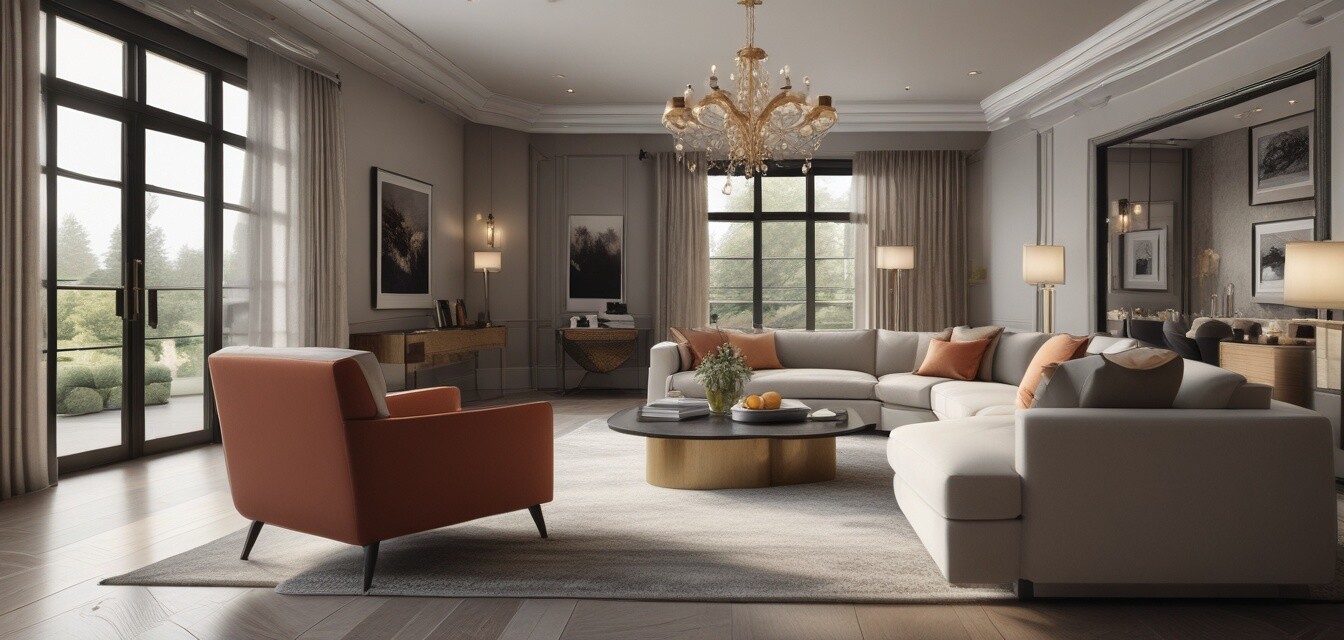
Tips for Creating Cohesive Themes in Your Staging
Key Takeaways
- Define a central theme for your staging to create harmony across spaces.
- Utilize a consistent color palette to connect different rooms.
- Incorporate similar textures and materials throughout the home.
- Use strategic lighting to enhance the theme and ambiance.
- Accessorial elements like art and decor should reflect the chosen theme.
Creating a cohesive theme in your home staging is essential for elevating the overall aesthetic appeal of your property. Cohesion in design can evoke feelings of unity and sophistication, making potential buyers feel more at home. This guide will walk you through key strategies to achieve a well-coordinated look throughout your space.
Understanding the Importance of a Cohesive Theme
A cohesive theme unifies each room with a common thread—be it color, style, or layout. This not only enhances visual appeal but also effectively showcases the potential of every space. Buyers often want to envision how they would utilize a home, and a strong theme helps facilitate that vision.
How to Create Your Theme
Here are effective steps to create a harmonious theme in your luxury home staging:
- Choose a Central Theme: Consider what style resonates best with your target market. This might be contemporary, rustic, or traditional.
- Select a Color Palette: A color palette serves as the foundation of your design. Stick to 2-3 main colors and include varying shades for depth.
- Incorporate Textures and Materials: Utilize similar textures such as wood, metal, or fabric throughout your decor to create fluidity.
- Strategic Lighting Choices: Elegant lighting can highlight specific theme elements while bringing warmth to a space.
- Decorate with Accessories: Choose art, sculptures, or textiles that align with your theme to complete each room.
Key Elements for Cohesion in Staging
| Element | Details |
|---|---|
| Color Palette | Utilize a maximum of three colors across various rooms to unify your theme. |
| Textures | Choose textures that complement each other, like pairing plush rugs with soft throws. |
| Furniture Style | Keep a consistent style of furniture to avoid visual dissonance. |
| Decorative Accessories | Accents should evoke the chosen theme, like floral arrangements for a soft natural appeal. |
| Lighting | Incorporate a mix of ambient and accent lighting that suits your staging aesthetic. |
Common Pitfalls to Avoid
- Overcrowding: Avoid clutter. Less is often more in staging.
- Ignoring Flow: Ensure space allows for easy movement. The layout should be functional.
- Lack of Focus: Each room should have a focal point, be it a piece of art or lighting fixture.
Final Thoughts
Creating a cohesive theme in your staging not only enhances the property’s aesthetics but also significantly impacts how potential buyers interact with the space. By following these tips and avoiding common pitfalls, you can craft an inviting atmosphere that facilitates a more spontaneous sale. For more inspiration and DIY tips, explore our other articles on DIY Tips and Ideas, or delve into our ideas on Luxury Furniture and Decor.
Pros
- Enhances visual appeal of the property.
- Makes space feel more inviting and functional.
- Can lead to quicker sales and better offers.
Cons
- Choosing the wrong theme may deter potential buyers.
- May require additional investment in staging items.
Additional Resources
For more information on specifics like high-end textiles or lighting solutions, you can check out our product pages which offer a variety of upscale choices to consider for your staging projects. Creating a luxury atmosphere is all about thoughtful selections and strategic planning!

