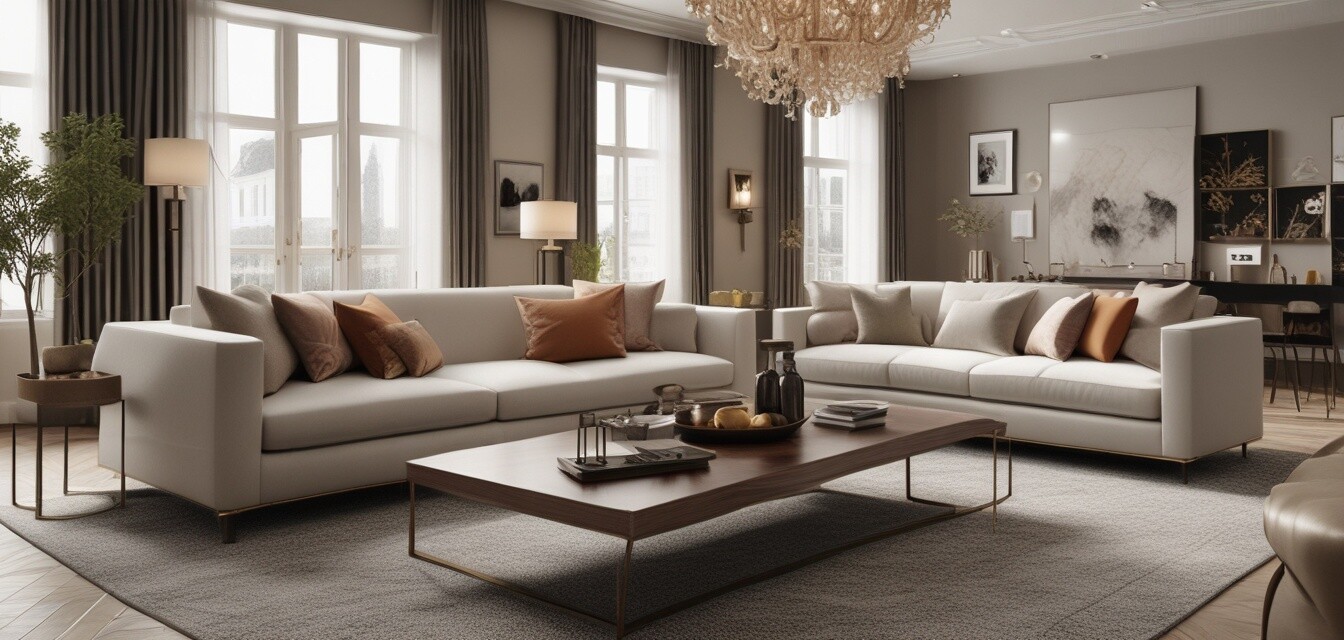
How to Stage Your Home for a Quick Sale
Key Takeaways
- Declutter and depersonalize your space to create a neutral canvas.
- Invest in lighting and furnishings to enhance visual appeal.
- Create inviting outdoor spaces with stylish furniture and decor.
- Incorporate scent and ambiance to leave a lasting impression on potential buyers.
- Use art and decor effectively to create focal points in every room.
When it comes to selling your home quickly, staging is one of the most effective strategies to attract potential buyers. By making impactful changes that enhance your home's appeal, you’ll create an inviting atmosphere that encourages offers. This article gives you essential tips and tricks for staging your home to ensure a swift sale.
Why Staging Matters
Staging not only highlights your home's best features, but also helps potential buyers visualize themselves living in the space. A well-staged home can have a significant impact on sale price and time on the market.
The Psychology of Home Staging
When buyers walk into a staged home, they should feel a sense of comfort and belonging. This emotional connection can often lead to faster offers and higher sale prices.
Essential Steps for Effective Home Staging
1. Declutter and Depersonalize
Before you begin staging, it’s crucial to declutter and remove personal items. This creates a neutral space where buyers can envision their belongings. Here’s how to get started:
- Clear out excess furniture and belongings that can make spaces feel cramped.
- Packing away family photos and personal items can help potential buyers imagine their life in your home.
- Organize your closets to showcase space and storage potential.
2. Enhance Lighting
Lighting can dramatically change the ambiance of your home. Here are some strategies:
- Open curtains and blinds to allow natural light to fill the space.
- Use designer lamps to highlight key areas and create warmth.
- Consider adding LED lighting strips in darker areas to enhance functionality.
3. Update Furniture and Decor
High-quality furniture can create an upscale atmosphere. Invest in some key pieces that add elegance without overwhelming the space. Here are some features to consider:
| Furniture Type | Impact on Staging |
|---|---|
| Elegant sofas | Create a welcoming seating area |
| Coffe tables | Add functionality and style |
| Accent chairs | Enhance visual appeal and comfort |
4. Focus on Outdoor Spaces
Don’t forget about staging your outdoor areas since these are often big selling points. Here are some great ways to enhance outdoor spaces:
- Invest in stylish outdoor furniture sets for patios.
- Add planters with vibrant flowers or plants to create a colorful landscape.
- Light up your garden with outdoor lighting options to enhance the evening ambiance.
5. Create Inviting Scents and Ambiance
The sense of smell is powerful, and the right scents can create a welcoming atmosphere. Here are some ideas:
- Use high-quality candles or diffusers to add pleasant scents without overwhelming odors.
- Freshly baked goods or brewed coffee can attract buyers during open houses.
- Keep windows open for fresh air while minimizing strong smells from pets or cooking.
6. Use Art and Decor Strategically
Strategic placement of art pieces and decor can help create focal points within your home. Consider the following:
- Choose accessible yet striking art pieces that reflect modern aesthetics.
- Use sculptures as statement pieces to enhance rooms.
- Incorporate textiles like plush rugs and throws to add warmth.
Conclusion
Staging your home effectively is key to achieving a quick sale. By focusing on the essential steps outlined in this guide, you can significantly enhance your home's appeal, creating an inviting atmosphere that draws in buyers. Remember, every detail matters—from decluttering to lighting and decor. Consider checking out our tips on buying guides for more information on securing the best deals in home staging products.
Pros
- Creates an inviting atmosphere for potential buyers.
- Can lead to higher offers and faster sales.
- Enhances the perception of space and functionality.
Cons
- May require a financial investment for quality staging items.
- Can be time-consuming to declutter and organize.

