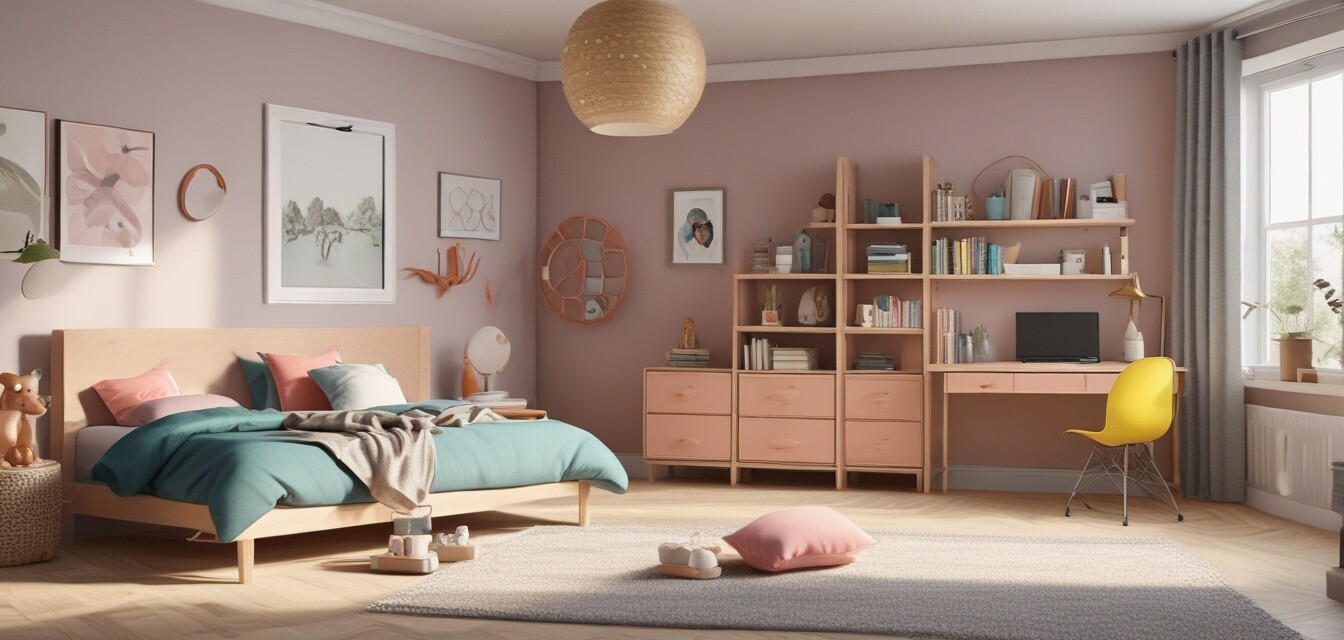
Tips for staging children's rooms with style
Key Takeaways
- Create a balanced space that is both fun and functional.
- Incorporate stylish storage solutions to minimize clutter.
- Use neutral colors and playful accent pieces to appeal to a wide range of buyers.
- Highlight natural light with window treatments that enhance brightness.
- Consider using children's artwork and decor that showcases personal flair.
Staging children's rooms is an integral part of preparing your home for sale. By striking a balance between fun and style, you can create an inviting space that appeals to both children and potential buyers. In this article, we'll explore practical tips and ideas to help you stage children's rooms effectively, showcasing their charm while keeping functionality in mind.
Understanding the importance of staging children's rooms
Children's rooms serve a dual purpose: they are both a personal retreat for youngsters and functional spaces that must appeal to potential buyers. A well-staged children's room can:
- Highlight the home’s versatility, showing how different rooms can cater to various needs.
- Create a welcoming atmosphere that allows buyers to visualize their lifestyle in the home.
- Help buyers appreciate the space for its maximum usability, important for family-oriented buyers.
Choosing the right color palette
When staging children's rooms, color plays a crucial role. Here's how to choose a suitable palette:
- Neutral base: Start with soft, neutral colors on the walls to create a calming backdrop.
- Accent options: Add pops of color through furniture, bedding, and accessories to give personality without overwhelming the space.
- Timeless themes: Opt for classic themes (like nautical or woodland) that appeal to a broader audience while still being child-friendly.
Incorporating stylish furniture and decor
Selecting the right furniture can enhance the visual appeal of a children's room. Here are some tips:
- Choose practical yet stylish furniture that fits the room size.
- Incorporate storage solutions like decorative bins or shelves to keep toys and books organized and accessible.
- Highlight a few well-chosen decor pieces, such as an artful lamp or playful bedding that resonates with modern tastes.
Maximizing space and functionality
Staging is also about showcasing the room's potential. Consider these strategies:
- Quality over quantity: Prioritize a few key decor items rather than crowding the space.
- Functional layouts: Arrange furniture to create open pathways, allowing for ease of movement and play.
Utilizing natural light
Natural light can make any room feel larger and more inviting. Follow these steps to enhance it:
- Light curtains: Use sheer or light-filtering curtains to allow light while maintaining privacy.
- Reflective surfaces: Incorporate mirrors or shiny decor that can bounce around light and brighten the space.
Personal touches that resonate
While it’s important to make a room appealing, adding elements that reflect a child’s personality can foster connection:
- Display a selection of children's artwork in frames for a personal touch.
- Playful elements: Add colorful, fun amenities like rugs or plush toys that are not overly distracting.
Creating a kid-friendly atmosphere while maintaining elegance
Balance is key – here's how to maintain a kid-friendly but stylish design:
- Choose durable materials for furniture that withstand wear and tear.
- Avoid overly intricate designs that can feel overwhelming or dated.
- Make the room adaptable for future use as children grow up.
Conclusion
Staging children's rooms requires thoughtfulness, creativity, and a balanced approach. By incorporating style and function, you can create appealing spaces that attract potential buyers while showcasing the charm of the home. If you're looking for more tips on staging throughout your home, check out our other articles in the DIY Tips and Ideas section.
Pros
- Creates a welcoming environment for buyers.
- Emphasizes the room's functionality and versatility.
- Enhances the overall appeal of the home.
Cons
- Staging can require time and effort to get right.
- Cost of new decor and furniture may be a consideration.

