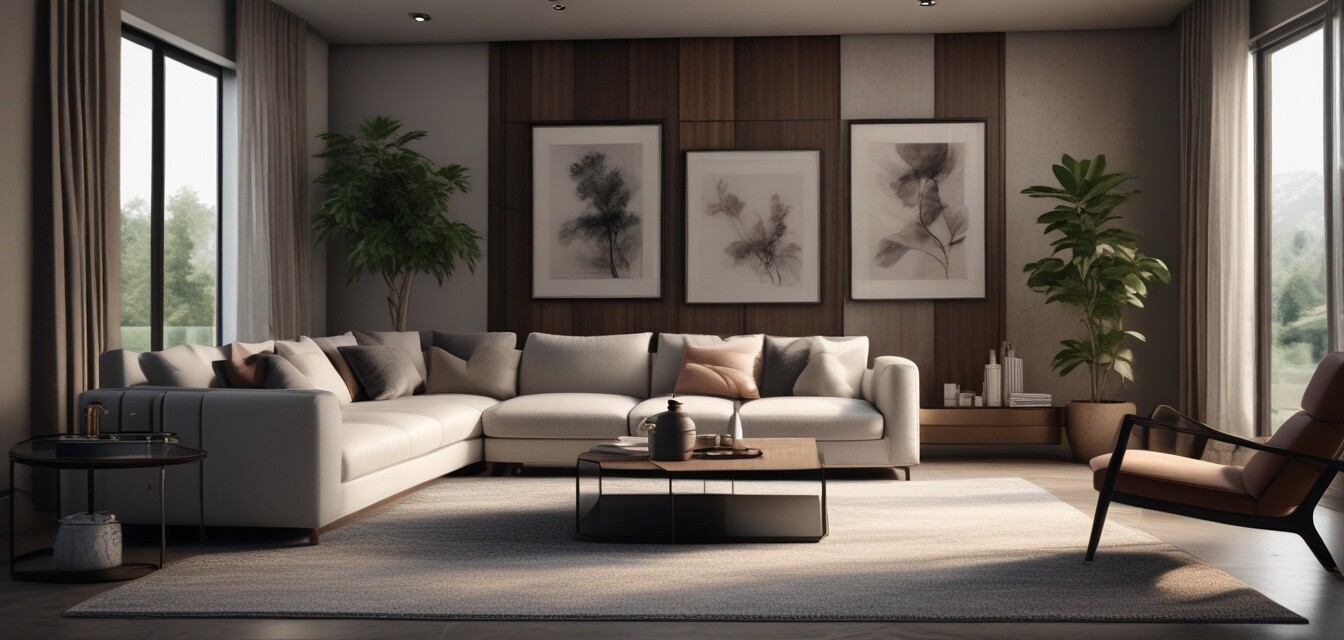
Styling Mixed Materials for Luxury Staging
Key Takeaways
- Mixing materials like wood, metal, and glass creates depth.
- Consider color and texture for cohesive design.
- Highlight focal points with smart material choices.
- Utilize layered lighting to enhance visual interest.
- Balance contrasts to maintain an elegant aesthetic.
When staging a luxury home, the right combination of materials can transform a space, enhancing its overall appeal and value. Understanding how to effectively mix materials like wood, metal, and glass not only adds depth but also creates visual interest. This article will explore effective strategies for combining these elements in your staging projects, helping you achieve that high-end look easily.
The importance of mixed materials in home staging
In luxury home staging, mixed materials are essential for creating layered aesthetics that draw attention and evoke interest. Each material carries its texture, color, and personality, working together to express the overall style of the home and attract discerning buyers.
1. Understanding the materials
Before starting, it’s important to understand the characteristics of the materials you’ll be working with:
| Material | Characteristics | Common Uses |
|---|---|---|
| Wood | Warm, organic, and inviting | Furniture, frames, and flooring |
| Metal | Cool, sleek, and modern | Accents, fixtures, and furniture |
| Glass | Light, airy, and transparent | Tabletops, decor, and windows |
Mixing materials effectively
To achieve a polished look, consider the following tips when mixing materials:
2. Create a cohesive color palette
Select a color palette that harmonizes the different materials in your space. Neutral tones often create a calming backdrop for various textures to shine:
- Choose a base color for walls and large items.
- Use accent colors in smaller decor pieces.
- Ensure materials complement each other through color.
3. Play with texture
Textures can greatly influence the perception of a space. Layer different textures for a rich visual experience:
- Pair smooth glass surfaces with rough wood textures.
- Combine polished metal with soft textiles.
- Use varied textiles like plush throws or woven pieces.
4. Define zones with materials
Utilizing materials to define areas can enhance flow and functionality:
- Use wooden furniture to create warmth in a seating area.
- Incorporate metallic accents to frame entertainment spaces.
- Use glass dividers to maintain openness yet establish boundaries.
5. Balance contrasts
Striking a balance in contrasts keeps the staging elegant and inviting:
- Select bold metal designs with softer wood pieces.
- Make sure the glass elements remain clean and uncluttered.
- Avoid overwhelming the space with excessive mixing.
Highlighting focal points
Focal points are essential in home staging, directing attention to the best features of your space. Here’s how to use mixed materials to highlight these points:
- Choose an eye-catching art piece made from mixed media.
- Frame architectural features with contrasting materials.
- Utilize lighting to accentuate textures and forms.
Layer your lighting
Lighting plays a vital role in enhancing the materials you choose. Here are some tips to help you layer your lighting:
- Use ambient lighting as the primary source.
- Incorporate accent lights to highlight specific materials.
- Consider task lighting for functional areas to keep spaces inviting.
Conclusion
Styling mixed materials in luxury home staging is an art that requires attention to detail and an understanding of how different elements interact. By thoughtfully combining wood, metal, and glass, you can create a sophisticated and inviting atmosphere that draws in potential buyers. For those looking to dive deeper into enhancing their spaces, explore more on our DIY tips and ideas page or our various product categories such as Luxury furniture and decor and High-end textiles. With the right materials and a keen eye for design, you can transform any space into a luxury haven.
Pros
- Creates depth and visual interest.
- Highlights specific areas of the home.
- Allows for creative expression.
Cons
- Risk of overwhelming the space if overdone.
- Requires a good eye for balance.
- Can be costly depending on material choices.

