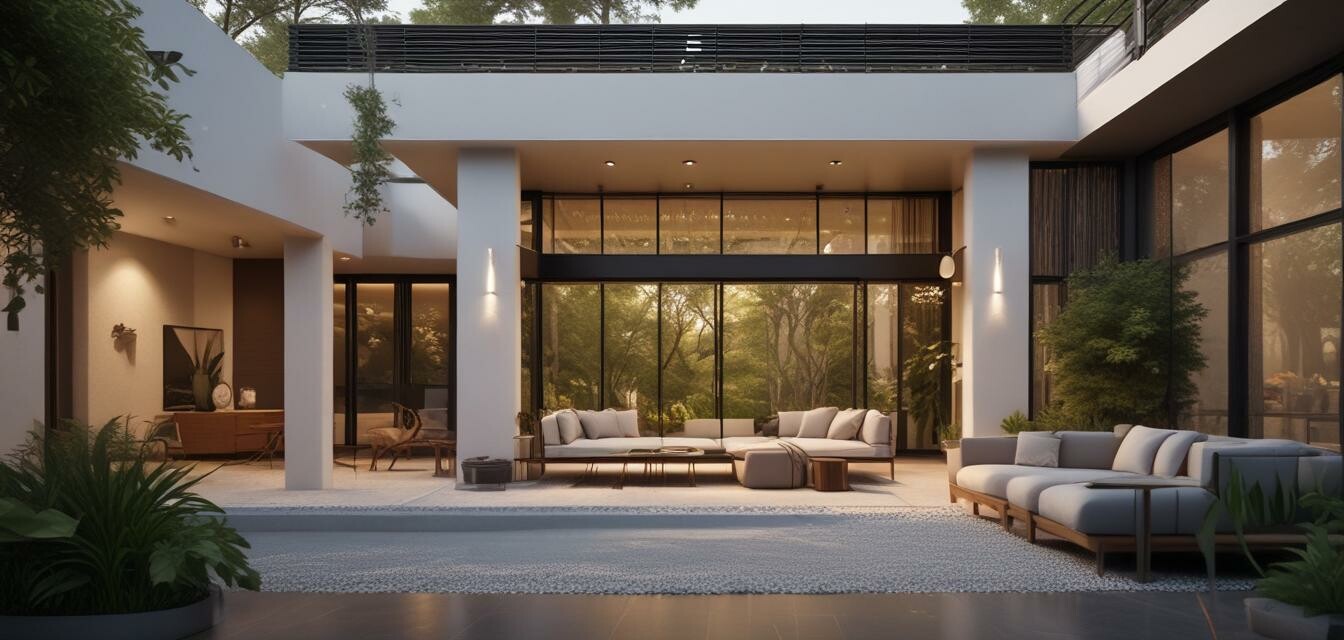
The Rise of Eco-Friendly Home Staging
Key Takeaways
- Eco-friendly materials and practices are becoming essential in luxury home staging.
- Using sustainable décor enhances both aesthetics and marketability.
- Home sellers can benefit from the increased demand for eco-conscious designs.
- There are various eco-friendly choices for furniture, textiles, and decor.
- Incorporating greenery can significantly enhance home stage appeal.
The luxury home staging industry is witnessing a shift towards eco-friendly practices. As more sellers become aware of their impact on the environment, the demand for sustainable materials and designs is on the rise. This article will explore top trends in eco-friendly home staging, showcasing how home sellers can appeal to a growing market of eco-conscious buyers.
Understanding Eco-Friendly Home Staging
Eco-friendly home staging involves utilizing sustainable materials and practices to create a beautiful, attractive space that appeals to potential buyers while minimizing environmental impact. From furniture choices to decorations, every aspect is curated to reflect a commitment to sustainability. This approach not only supports the planet but also adds value and modern sophistication to any luxury property.
The Importance of Sustainable Materials
Choosing sustainable materials is crucial in eco-friendly staging. Here are some materials that are commonly used in luxury home staging:
| Material | Benefits |
|---|---|
| Bamboo | Renewable, strong, and stylish |
| Reclaimed Wood | Unique character, reduces waste |
| Organic Fabrics | Safe, chemical-free, and soft |
| Recycled Glass | Beautiful, trendy, and eco-friendly |
| Natural Stone | Durable with timeless appeal |
Key Trends in Eco-Friendly Home Staging
As eco-friendliness gains importance in home staging, several trends have emerged that are shaping the industry. Below are some popular choices that home sellers should consider:
- Sustainable Furniture: Opt for pieces made from sustainable or reclaimed materials.
- Natural Textiles: Use pillows, throws, and linens made from organic materials to enhance comfort without harming the environment.
- Indoor Plants: Incorporate air-purifying plants to create a welcoming atmosphere.
- Energy-Efficient Lighting: Choose LED lighting fixtures to reduce energy consumption and highlight the home’s features.
- Minimalistic Design: Embrace a clean and simple design that reduces clutter and promotes tranquility.
Outdoor Staging with Eco-Friendly Elements
Outdoor spaces are just as important as indoor areas when it comes to staging. Sustainable practices can enhance curb appeal and showcase the property’s outdoor potential. Consider the following strategies:
| Outdoor Element | Eco-Friendly Options |
|---|---|
| Furniture | Sustainable woods or recycled materials |
| Planters | Recycled plastic or biodegradable options |
| Gardening | Native plants that require less water |
| Lighting | Solar-powered lights for pathways |
| Decoration | Natural stones and untreated wood accents |
Benefits of Eco-Friendly Home Staging
Embracing eco-friendly home staging comes with numerous advantages for sellers, including:
- Attracting Eco-Conscious Buyers: Many buyers are actively seeking homes that reflect their values.
- Reduced Environmental Impact: Sellers contribute positively to the environment.
- Market Differentiation: Stand out with unique sustainable design choices.
- Potential Cost Savings: Energy-efficient materials can lower utility bills for new homeowners.
Incorporating Technology for Sustainable Solutions
Smart home technology also plays a critical role in eco-friendly staging. By integrating modern tech solutions, sellers can enhance the appeal of their properties:
Tips for Beginners
- Start small: Incorporate eco-friendly elements gradually.
- Research sustainable options for décor and materials.
- Consult with staging professionals who specialize in eco-friendly design.
- Promote the eco-friendly features of your staging in listings and showings.
Conclusion
The rise of eco-friendly home staging is transforming the luxury real estate market. By opting for sustainable materials, incorporating greenery, and utilizing modern technology, sellers can create an attractive and responsible staging environment. As more buyers prioritize eco-conscious living, embracing these practices not only enhances aesthetic appeal but also increases marketability, offering a winning combination for luxury home sellers.
Pros
- Enhances appeal to eco-conscious buyers.
- Promotes environmental sustainability.
- Unique designs can differentiate a property in the market.
Cons
- Eco-friendly products may have a higher initial cost.
- Fewer options available compared to conventional products.

