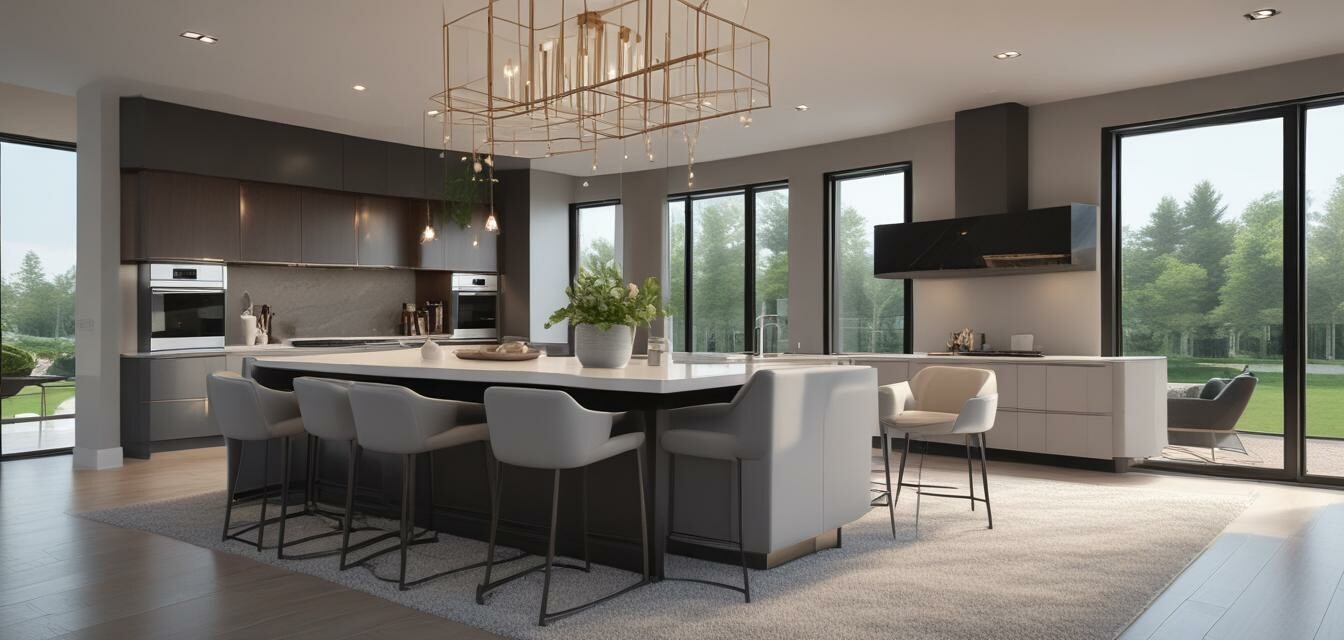
The role of technology in home staging
- Technology is revolutionizing home staging by enhancing the buyer's experience.
- Smart features can showcase a property's potential, making it more appealing to modern buyers.
- Effective use of technology improves marketing strategies and outreach.
- Integration of advanced lighting solutions adds sophistication to staged homes.
In today's digital age, technology is playing a crucial role in transforming the way homes are staged and marketed. The integration of smart features not only enhances the aesthetic appeal of properties but also allows sellers to showcase the full potential of their homes. This article explores how technology impacts home staging trends and its overall significance in the real estate market.
Smart home features that elevate staging
Incorporating smart home technology into home staging creates a unique and modern experience for potential buyers. Here are some popular smart features that can enhance luxury home offerings:
| Smart Feature | Description |
|---|---|
| Smart thermostats | Allow homeowners to control temperature settings remotely, improving comfort and energy efficiency. |
| Automated lighting systems | Enable customized lighting scenarios for different moods and times of day. |
| Smart security cameras | Provide homeowners with peace of mind by monitoring activity around their property. |
| Voice-controlled devices | Enhance convenience by allowing users to control features using voice commands. |
| Smart locks | Improve home security and access management with keyless entry options. |
Benefits of integrating technology in home staging
The incorporation of technology in home staging benefits both sellers and buyers. Let's look at some of the advantages:
- Enhanced visualization: Technology such as augmented reality (AR) and virtual reality (VR) allows buyers to visualize their future space with potential decor and arrangement.
- Energy efficiency: Smart home devices can illustrate energy savings, which is appealing to buyers looking for cost-effective living solutions.
- Modern appeal: Featuring smart technology creates a tech-savvy impression, attracting younger buyers who prioritize modern features.
- Improved safety: Security systems and devices can give buyers confidence in the safety of the home.
- Seamless marketing: Automated systems can improve marketing presentations, such as online listings, by showcasing homes at their finest.
Trends in smart home technology for staging
As technology continues to progress, several trends have emerged that impact home staging:
- Incorporating smart devices as essential: Buyers are increasingly expecting homes equipped with essential smart features.
- Focus on sustainability: Technology that highlights eco-friendly features is becoming a selling point.
- Seamless home networks: Efficient home networks enable easy connectivity for multiple smart devices.
- Virtual tours: The utilization of drone technology and VR for remote home tours helps buyers make informed decisions.
- Interactive presentations: Interactive displays for gatherings or showings can enhance the overall experience of viewing a property.
With the constant evolution of technology, these trends are shaping the landscape of home staging and marketing.
Marketing strategies enhanced by technology
Home staging is only half the battle; effective marketing is equally important. Here are some ways technology changes how properties are marketed:
| Marketing Strategy | Description |
|---|---|
| High-quality photography | Technology enables high-resolution images that capture the beauty of staged homes. |
| Video walkthroughs | Providing potential buyers with an engaging virtual tour of the property. |
| 3D tours | Allowing buyers to navigate a home at their own pace from anywhere. |
| Social media marketing | Using platforms to showcase staged homes and reach a wider audience. |
| Email campaigns | Leveraging technology to send targeted information about new listings and open houses to interested buyers. |
Examples of successful technology use in home staging
Several companies are exploring the integration of technology successfully:
- The adoption of virtual reality shows how prospective buyers can visualize their new living space.
- Utilization of smart sensors to adjust lighting based on the time of day improves mood and ambiance.
- Interactive applications that allow potential buyers to customize room layouts appeal to personal preferences.
- Commercial staging companies using drones for aerial imagery to highlight property features and location.
Conclusion
Technology is undeniably reshaping the landscape of home staging and marketing. Its influence extends from smart home features that appeal to buyers' desires to advanced marketing strategies that attract potential customers. By embracing innovation, sellers can enhance their staging efforts, ultimately leading to faster sales and better offers. As the luxury home staging market continues to evolve, staying informed about trends in technology is essential for any DIY home seller.
Pros
- Increased buyer engagement through interactive technology
- Ability to showcase features that appeal to modern buyers
- Streamlined marketing processes for better reach
- Enhanced property visibility through high-quality visuals
Cons
- Potential for technology overload, making spaces feel complex
- Technology installation costs may deter some home sellers
- Reliance on technology can overshadow traditional staging techniques

